Why Finland?
Demand for data center capacity is growing fast, and Finland, already home to some of the world's largest data centers, has what large-scale facilities need: reliable, increasingly renewable power, a cool climate, skilled engineers and stability.
Built for data centers
Finland brings together the fundamentals for building and operating data centers efficiently and sustainably

Reliable power
A stable electricity grid and growing renewable energy production.

Clean, cost-efficient energy
An energy mix that supports your sustainability targets.

Cool climate
Naturally cool conditions that make cooling easier and more efficient.

Strong connectivity
Reliable digital infrastructure and telecommunications connections.

Engineering and education
A highly educated workforce, strong engineering skills and a reputation for quality.

Stability
Political stability and a supportive environment for data center projects.
Market demand
Strong and growing demand
Data centers are the physical foundation of the internet, cloud services and AI. Email, streaming, online banking, public services and business systems rely on data centers operating around the clock.
Demand for capacity is growing fast. More and more systems are moving to the cloud, and AI and big data analytics need substantial computing power and electricity. Governments and organizations also want control over where their critical data is hosted, which has made data centers part of digital security and national infrastructure. Then there is speed: payments, gaming and industrial automation require low latency, which increases the need for regional data centers.
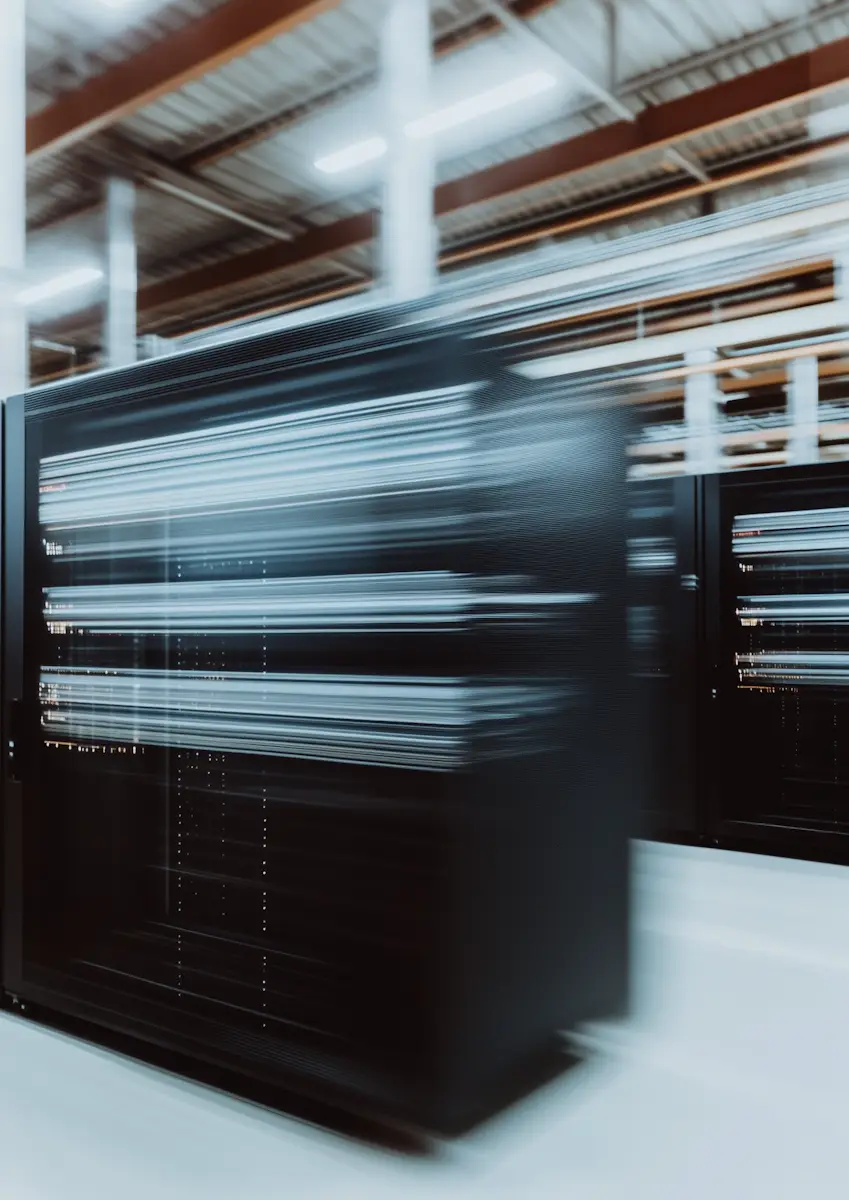
Lasting value
In Finland, data centers are seen as essential infrastructure that creates lasting value for both investors and society. These benefits contribute to a supportive environment for new projects.
A location that values your investment

Investment and jobs
Large data centers often involve investments of hundreds of millions or even billions of euros. Construction creates work across the building, earthworks, power grid and infrastructure sectors, while ongoing operations support long-term employment.


Local economic impact
Data centers generate property tax revenue and tax income from employees' earnings, and use local services.


Foundation for the digital economy
Like ports, roads and power grids, data centers provide essential infrastructure. They enable cloud services, AI, industrial digitalization, the data economy and cybersecurity services. They also attract expertise and technology and software businesses to Finland.


Security and sovereignty
Critical data and services can be hosted in a stable and secure country, supporting digital self-sufficiency, public-sector systems, defense and European data sovereignty.
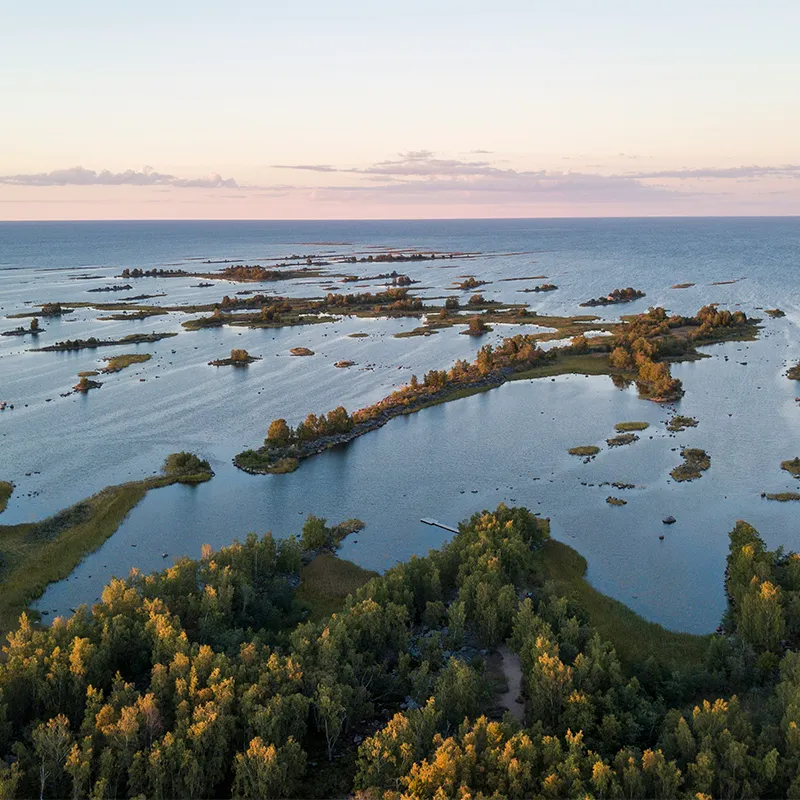

Waste heat for district heating
Waste heat from data centers can be used in district heating, reducing reliance on fossil fuels for heat production. Many Finnish cities see this as a significant opportunity, and further heat reuse projects are under way.
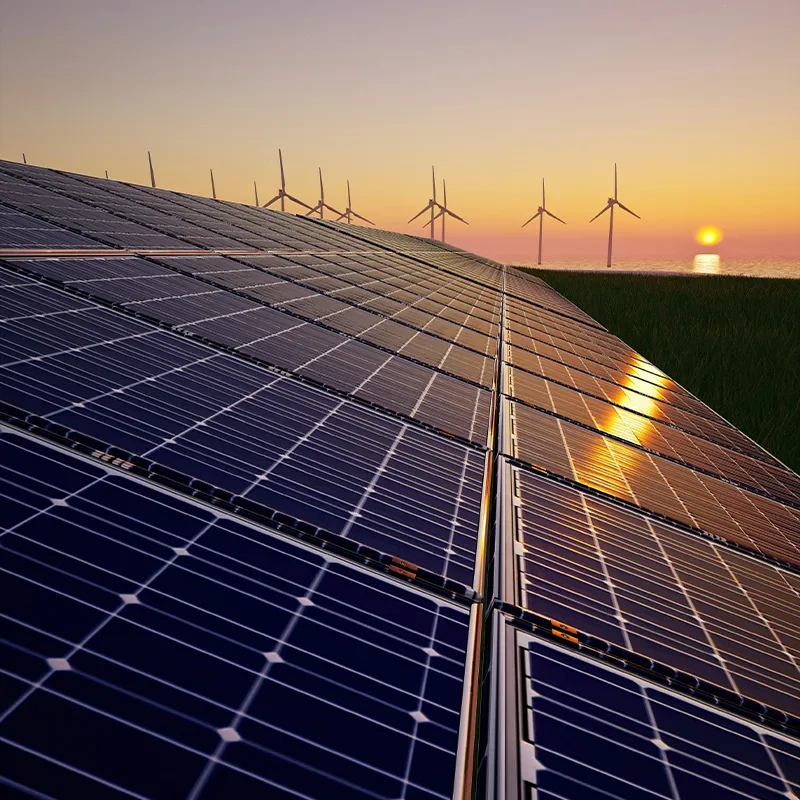

Green transition
Data centers create long-term electricity demand, which can make new investments in wind, solar and electricity grids more viable.
Frequently asked questions
Why build data centers in Finland?
Do data centers raise electricity prices in Finland?
How do data centers benefit local communities?
Who decides where a data center is built?